


 Available

 1,120
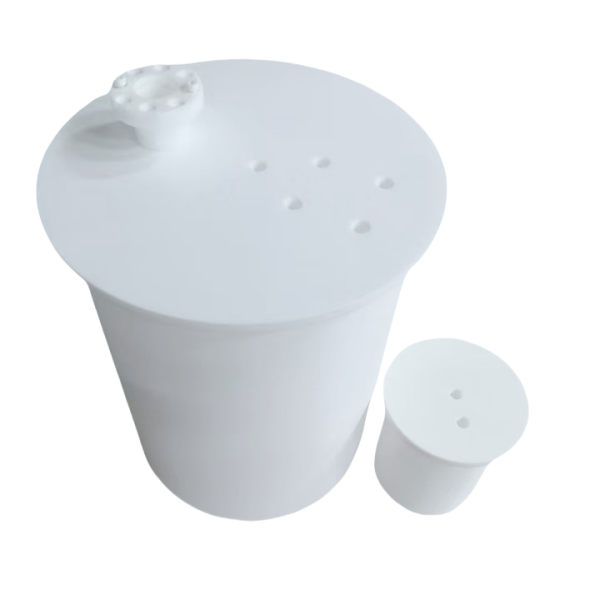
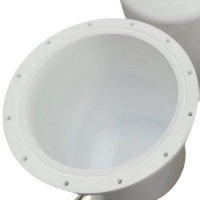
Polypropylene and polyethylene buckets can crack, soften, or degrade when they hold aggressive chemicals. Each failure risks a spill and can contaminate the next batch. Our PTFE lab buckets are made for that work. PTFE resists most common acids, alkalis, and solvents, and residue releases easily from its surface. Features PTFE handles most common acids, alkalis, and solvents. It holds up in conditions where polypropylene and polyethylene often fail. Liquids do n


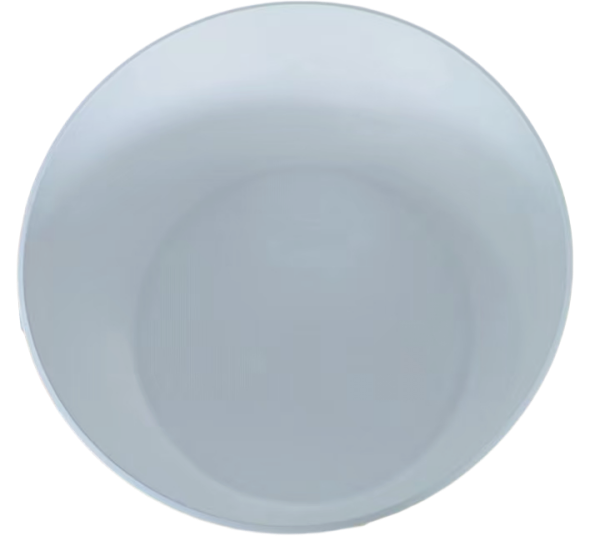
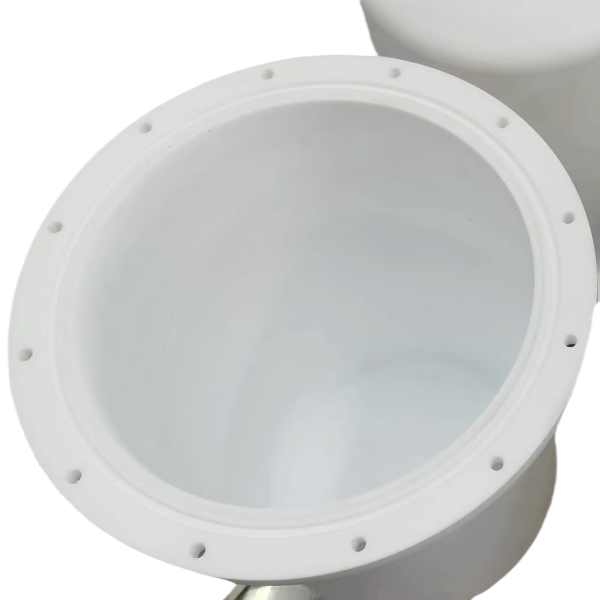
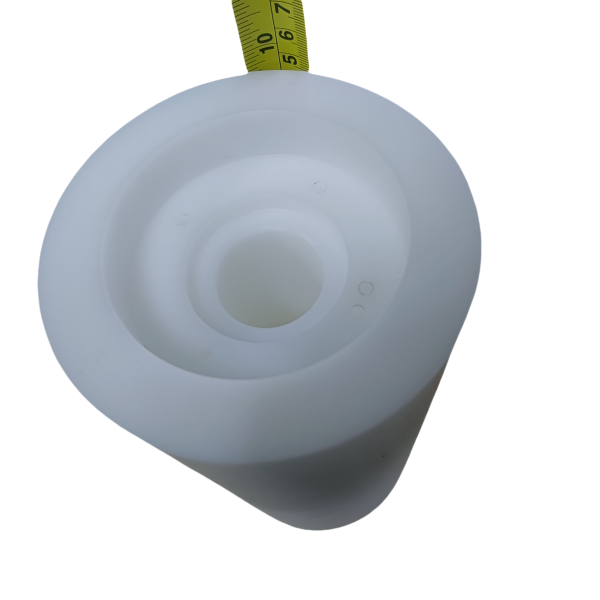
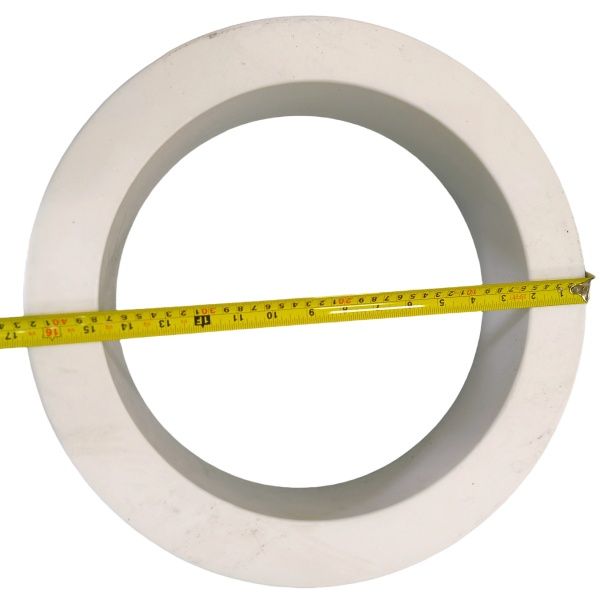
Polypropylene and polyethylene buckets can crack, soften, or degrade when they hold aggressive chemicals. Each failure risks a spill and can contaminate the next batch. Our PTFE lab buckets are made for that work. PTFE resists most common acids, alkalis, and solvents, and residue releases easily from its surface.
Bulk buyers can get volume pricing and scheduled deliveries. Price, minimum order quantity, and lead time depend on bucket size, grade, and order volume, so we quote them individually. Send us your quantity and delivery timeline, and our sales team will send a quote.
How do PTFE lab buckets compare with polypropylene, polyethylene, or steel buckets?
PTFE resists a wider range of aggressive chemicals than polypropylene or polyethylene, and its surface holds less residue. Steel can corrode in some chemicals. PTFE generally does not.
Can PTFE lab buckets handle high or cryogenic temperatures?
Yes, within the rated range of -200°C to 260°C. If your process runs close to either limit, contact us with the exact temperature and cycle before you order.
Do PTFE buckets reduce contamination in sensitive testing?
The non-porous surface limits absorption and carryover, which helps in trace-level work. The bucket doesn't make a process contamination-free on its own, so use cleaning steps validated for your test method.
Which PTFE grade should I choose?
Virgin PTFE suits high-purity and ultra-clean applications. Filled grades with glass, carbon, or bronze are better for wear resistance.
Are these buckets certified for food, pharmaceutical, or other regulated use?
We list certificates on our About Us page. Confirm that the certificate covers the specific grade and bucket you need before relying on it for a regulated process.